
Think about your favorite boss, teacher, coach, or community leader. Chances are, what makes them so impactful has less to do with their resume and more to do with how they treat people and make them feel.
That’s because emotional intelligence and leadership go hand in hand. Emotional intelligence, or EQ, is the set of critical skills that helps us navigate any emotion, conversation, or situation, no matter how difficult. We asked Tampa Bay business and community leaders how emotional intelligence in leadership shapes stronger teams and workplaces. Here’s what they said.
8 Benefits of Emotional Intelligence in Leadership
From building trust to navigating conflict, here’s how emotional intelligence today can shape better leaders tomorrow, according to some of Tampa Bay’s most distinguished executives.
1. They make people feel valued.
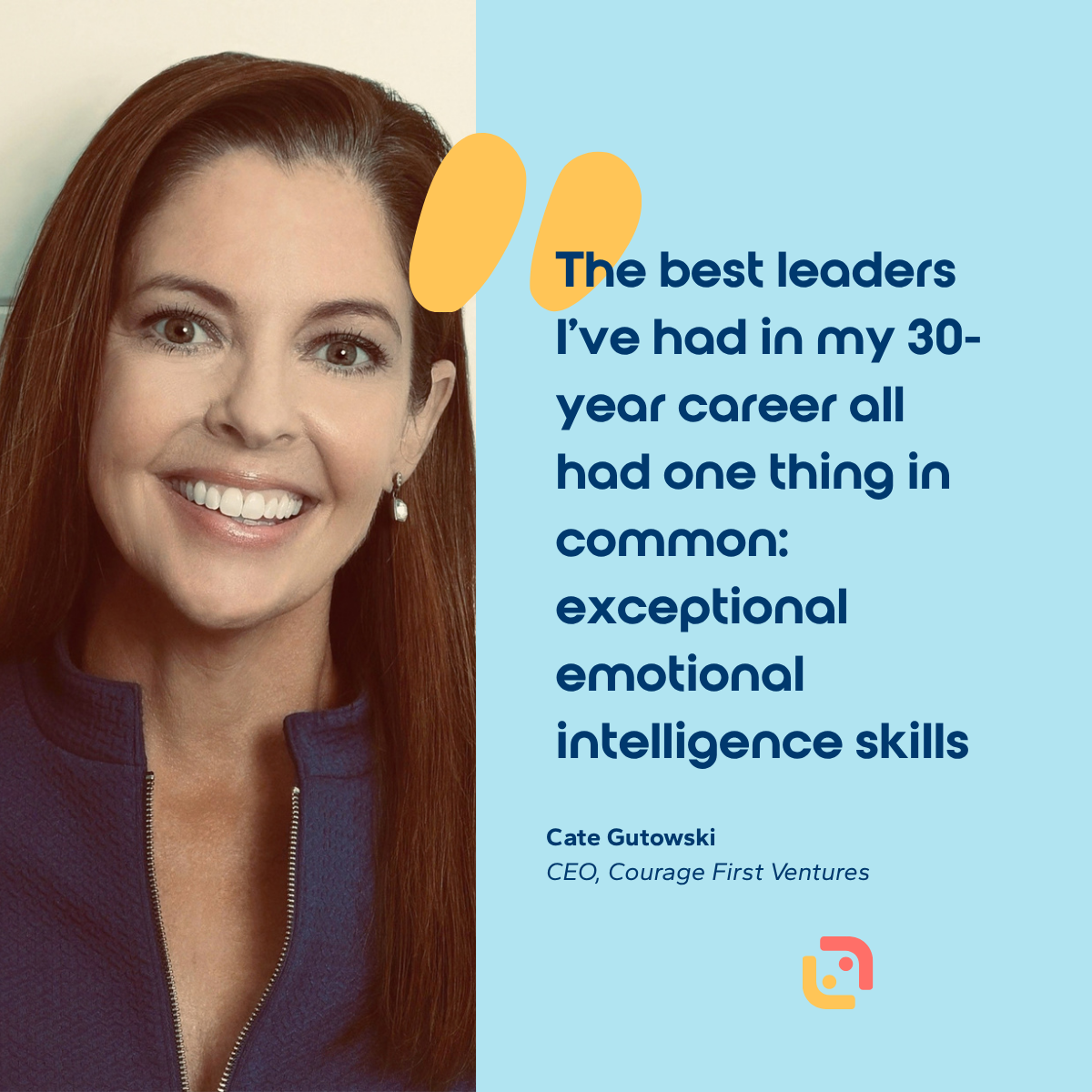
When people feel genuinely cared for, they’re often inspired to give more in return. Cate Gutowski, CEO of Courage First Ventures, has seen that firsthand throughout her 30-year career. “The best leaders I’ve worked with all had one thing in common,” she says. “They made me feel cared for, which inspired me to dig deeper and give them 110% every day.”
Gutowski says the value of emotional intelligence in leadership goes beyond something teams feel to something businesses can measure. Leaders who make people feel appreciated are also the ones she has seen consistently deliver results.
2. They make room for others to lead.
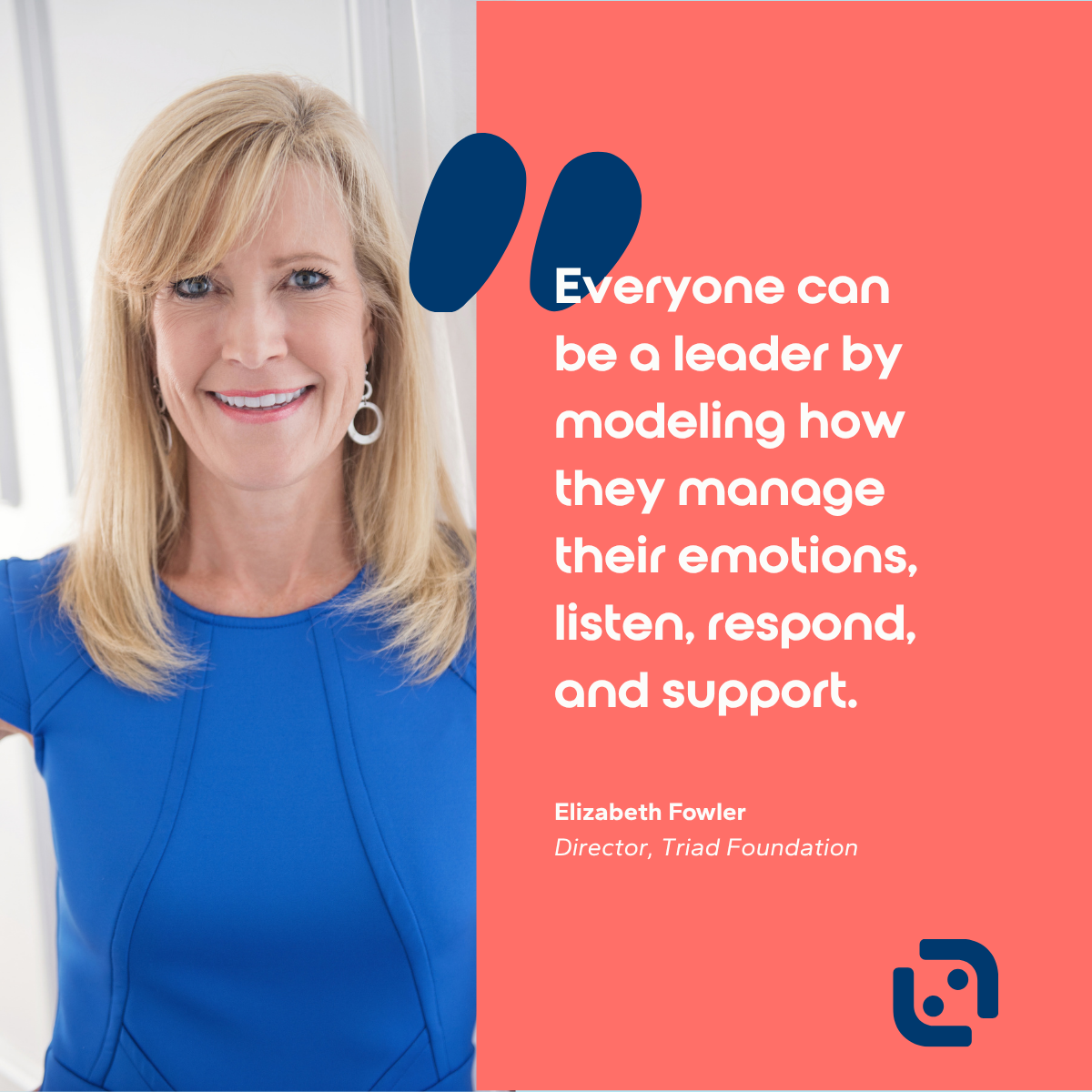
Elizabeth Fowler, director of the Triad Foundation and founder of Frameworks of Tampa Bay, says, “The best team is the one where you can’t tell who the leader is. Every person leads with curiosity to gather momentum toward the best solutions, with everyone sharing the credit.” When everyone feels empowered to ask questions, contribute ideas, and share the credit, better solutions follow.
3. They build healthy relationships with the people they lead.
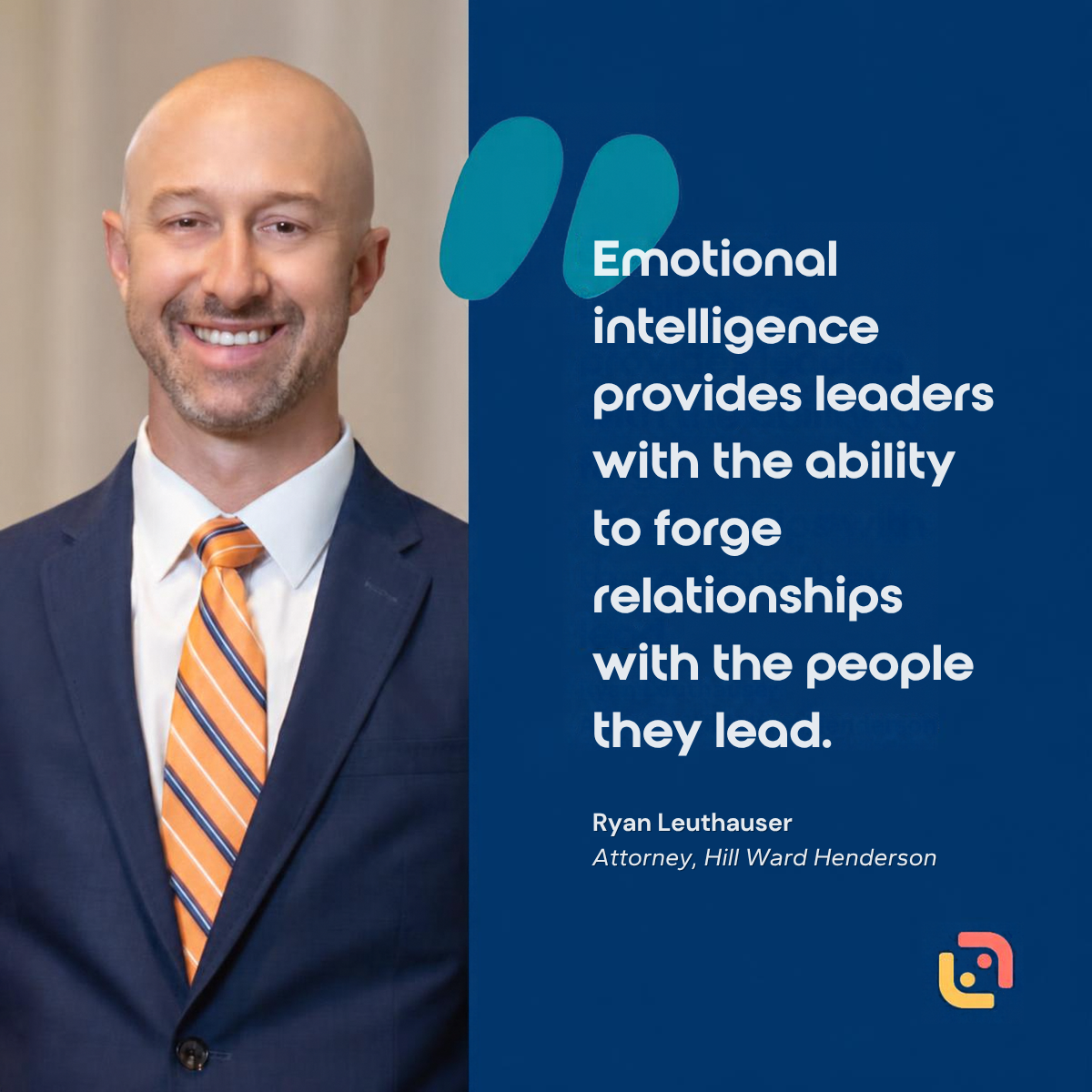
Before leaders can influence people, they have to connect with them. For Ryan Leuthauser, attorney and shareholder at Hill Ward Henderson, it comes down to relationships. “Emotional intelligence provides leaders with the ability to forge relationships with the people they lead,” he says. Those stronger relationships have a ripple effect, helping build better communication, greater trust, a healthier culture and, ultimately, better performance.
4. They lead people as individuals.
The most impactful leaders get to know their team members beyond the work they do.
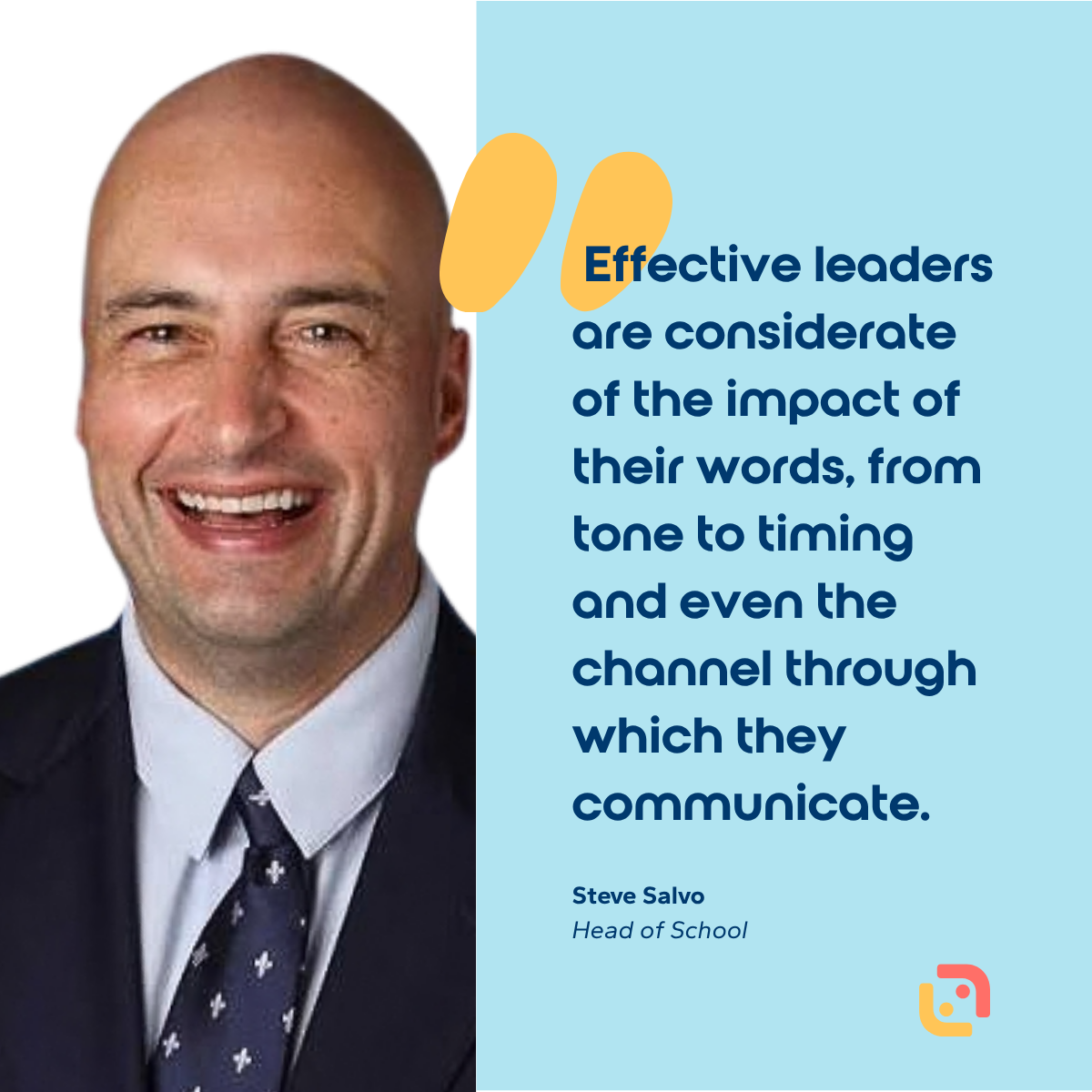
Steve Salvo, head of school at St. Mary’s Episcopal Day School, sees that in great educators. “The most effective educators are student experts first and foremost. They know their students beyond just their academic performance and are adept at recognizing when a student needs to be challenged, encouraged, redirected, or simply given some time or grace. Great teachers set high expectations while simultaneously offering support and guidance.”
Whether you’re leading a classroom, a team, or an organization, emotional intelligence helps you tune into what each person needs and respond in a way that helps them succeed.
5. They make thoughtful choices for themselves and others.
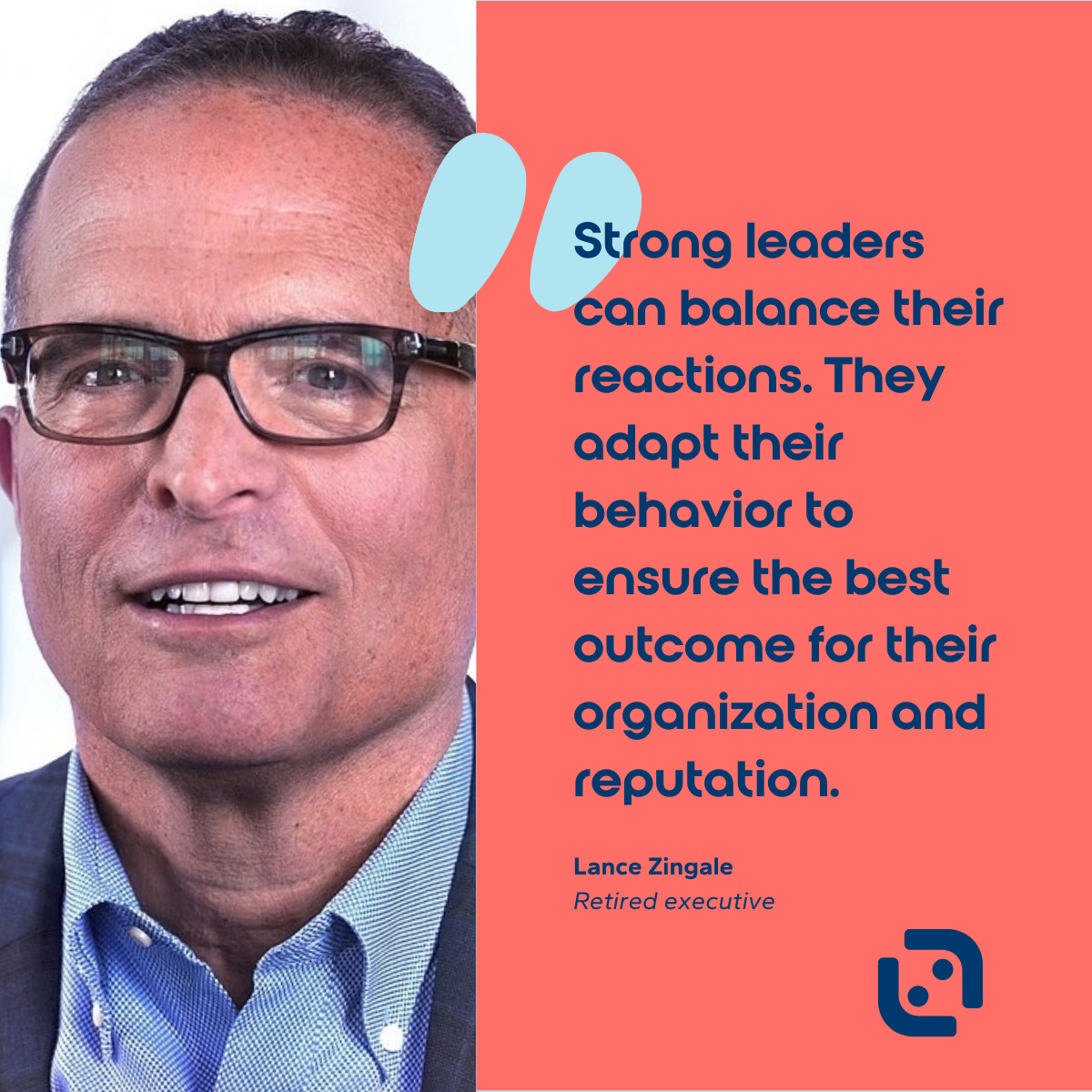
A tough comment. An unexpected problem. A frustrated employee. Leaders are constantly deciding how to respond to various scenarios. Lance Zingale, retired executive and Frameworks’ board chair, says, “Strong leaders balance their reactions to a spectrum of issues, comments, and reactions in an organization. In that way, they adapt their behavior to ensure the best outcome for their organization and their own reputation.”
Considering how a decision will affect you and others is a core component of emotional intelligence and a meaningful leadership benefit.
6. They turn responsibility into action.
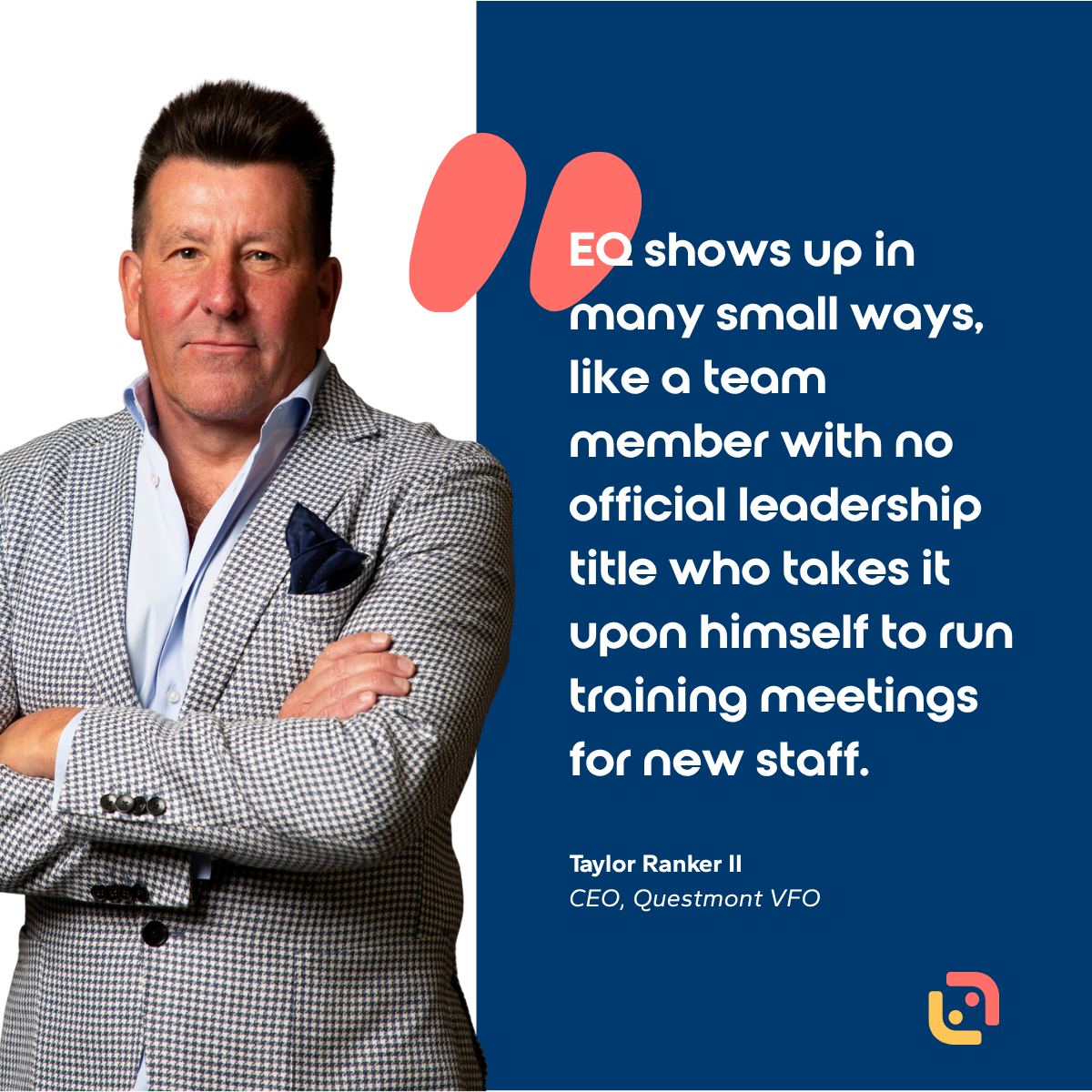
You don’t need an official leadership title to be a leader, says Taylor Ranker II, CEO of Questmont VFO. It can be as simple as seeing where you can contribute and taking initiative, like the team member who takes it upon themselves to run Monday morning training meetings for new employees, without anyone asking. That willingness to step up starts with personal responsibility: managing yourself, recognizing what’s needed, and choosing to contribute.
7. They create a culture of calm.
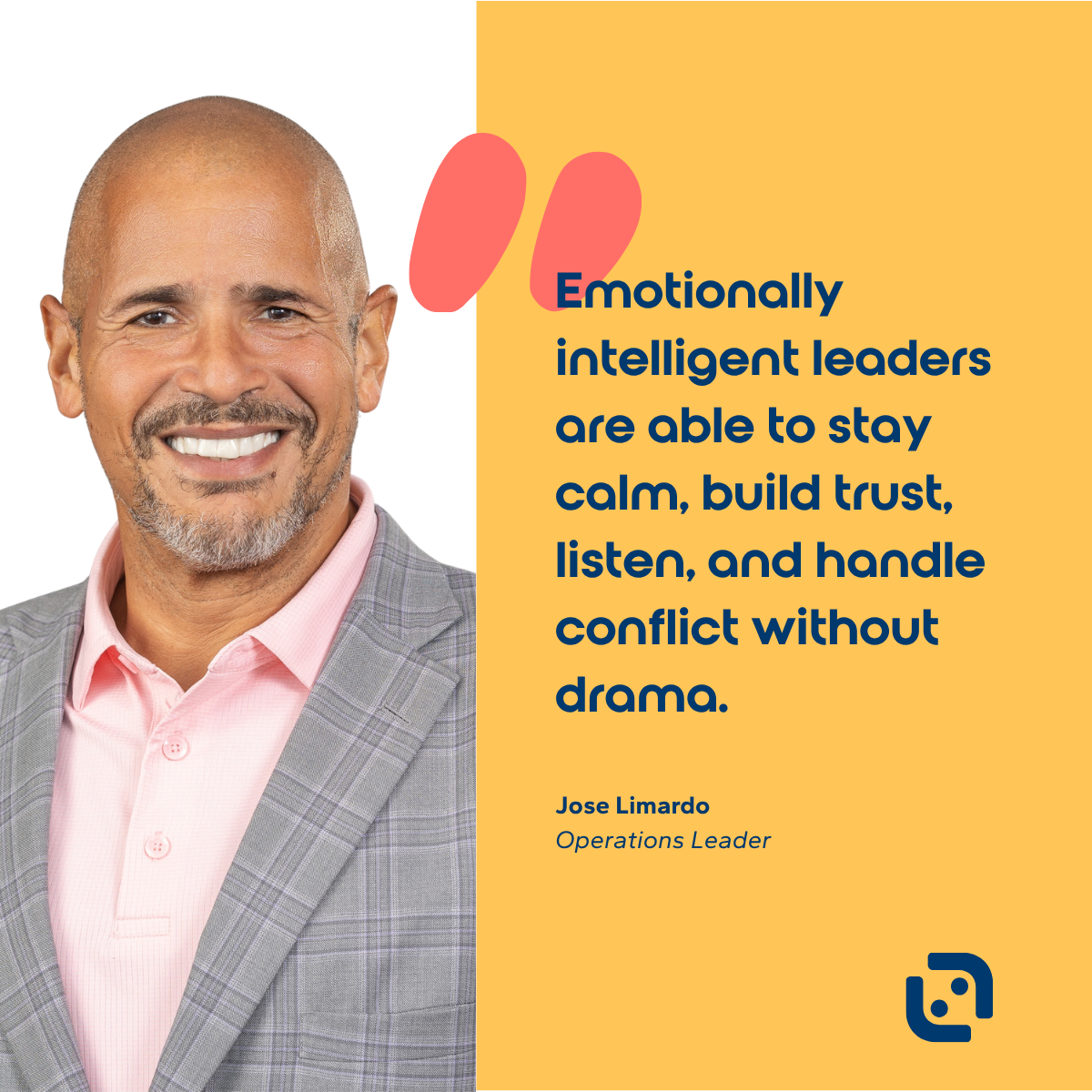
“Great leaders with emotional intelligence are adept at managing their emotions and reading everyone else’s,” says operations leader Jose Limardo. “This ability enables them to stay calm, build trust, listen, and handle conflict without drama.” This creates a workplace where people feel safe, which leads to stronger staff engagement and morale, higher productivity, and lower employee turnover.
8. They build trust, which fuels better teamwork.
The strongest teams are built in environments where people feel comfortable speaking up, sharing ideas, and taking risks. “Emotional intelligence is essential for leadership because it allows people to place their trust in you and communicate more effectively,” says Greg Samson, senior cardiometabolic care specialist at Novo Nordisk. That trust can open the door to better communication, stronger collaboration, and, ultimately, better teamwork.
These Tampa Bay leaders have seen the difference that emotional intelligence can make, and research backs them up. In fact, studies suggest that emotional intelligence is the critical factor that differentiates high-performing employees, accounting for 58% of success in all job types.
Great leaders aren’t born knowing how to listen, empathize, communicate, or navigate difficult moments. These are skills we can learn, practice, and strengthen throughout our lives. By giving children the tools to build emotional intelligence now, we’re helping them become the kind of adults and leaders others will want to learn from, work with, and follow.
Get More Tips to Build Strong Leaders
At Frameworks of Tampa Bay, we partner with parents, teachers, and trusted adults to help the kids in their lives become kind, collaborative, and capable citizens. Join our email list to receive free resources, tips, and guides to build your child’s emotional intelligence so they can succeed personally, academically, and one day professionally.
Partner With Us
Whether you’re a foundation, business, school, or community organization, there’s a meaningful way to invest in the future of Tampa Bay’s youth. Our partners include some of Tampa Bay’s most prominent businesses and organizations, from the Lightning Foundation, Rays Baseball Foundation, and Florida Blue to 40 schools and nonprofits that believe in the power of emotional intelligence. We’d love to add you to our list of partners.