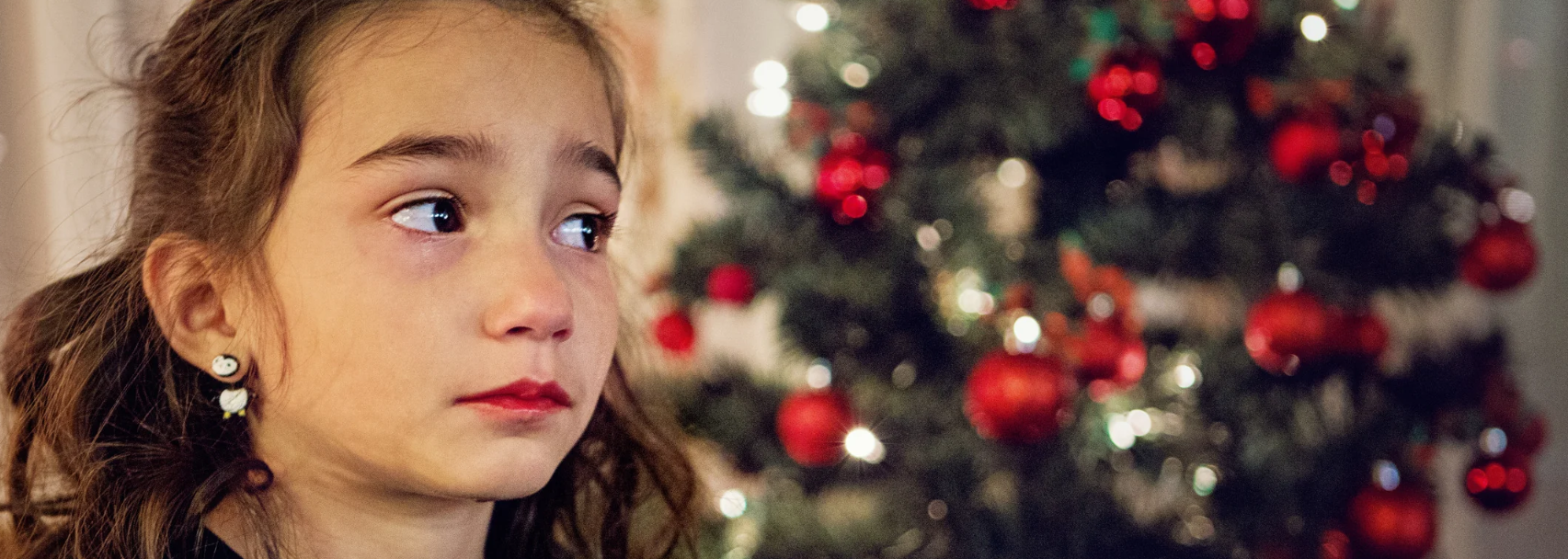
The holidays bring twinkling lights, family get-togethers, and presents kids have been wishing for all year. They also bring packed calendars, late bedtimes, and a house full of relatives that can stir up more emotion than kids know what to do with.
Big holiday feelings are a normal part of being a kid, and each one gives children a chance to practice emotional regulation, a core part of emotional intelligence. Emotional intelligence is the set of critical skills necessary to navigate any emotion, conversation, or situation, no matter how difficult. This guide to emotional regulation for kids explains why the holiday season stirs up so much emotion and offers practical ways to help children of every age.
Why Do Kids Have Big Feelings During the Holidays?
Even the happiest traditions ask a lot of kids:
- Changes in routine. Breaks, travel, and packed calendars disrupt the sleep, meals, and rhythms that help children feel secure.
- Social pressures. Big gatherings can bring comparison, unfamiliar expectations, or simply too many people at once.
- New stimuli. Bright lights, loud music, crowded stores, and the thrill of gifts can overload a child’s senses.
- Real-world stressors. When grown-ups feel the financial strain of holiday spending, travel, or family tension, children often feel it too.
- Late nights and sugar. Later bedtimes, skipped naps, and a steady stream of treats leave kids with less fuel for patience.
None of this means something is wrong with your child or your holiday. Big feelings are opportunities to teach self-awareness, empathy, and regulation, and this holiday season offers plenty of opportunities to practice.
Emotional Regulation for Kids: What It Looks Like at the Holidays
Emotional regulation is a child’s ability to notice a feeling, name it, and choose what to do with it. Every child gets upset sometimes. Knowing how to regulate those feelings helps them move through what they’re experiencing and come out the other side. For example:
- At a crowded dinner, a 6-year-old notices the noise is making her shoulders tight, tells her dad, “It’s too loud,” and takes a break in a calmer room.
- On a long car ride, a 9-year-old realizes he’s bored and grumpy. He picks an audiobook instead of poking his sister for three hours.
- While waiting to open gifts, a preschooler takes a few slow “flower breaths” to help her excited body wait a little longer.
Each moment draws on emotional regulation skills for kids like self-awareness, self-management, and simple calming strategies. Learn more in What Is EQ? and What Is Self-Management for Kids?
Signs Your Child Is Struggling With Holiday Stress
Kids often show stress through their behavior long before they can put it into words. Watch for:
- Younger kids: Clinginess, more tantrums than usual, and trouble sleeping
- School-age kids: Irritability, stomachaches, and arguing
- Teens: Withdrawing, snapping at family, and more screen time
When you see them, get curious before getting corrective.
7 Emotional Regulation Strategies for the Holidays
1. Name It to Tame It
When children can put a word to a feeling, they can begin to manage it. Psychiatrist Dr. Dan Siegel calls this “name it to tame it.” Psychotherapist F. Diane Barth, L.C.S.W., notes that feelings often ease once they’re named and acknowledged. The idea is to help children go beyond saying they feel “good” or “bad” and use words like disappointed, nervous, or left out. For more, read The Power of Naming Feelings.
2. Prepare Them for What’s Coming
Uncertainty fuels a lot of holiday stress. Before a gathering, walk your child through who will be there, how long you’ll stay, and what’s expected of them. Talk about gifts, too. If a wish list is bigger than this year’s budget, the American Psychological Association suggests talking with kids about realistic expectations ahead of time. Dr. Jamila Holcomb, a licensed marriage and family therapist at Florida State University, also recommends comparing expectations as a family before the big day.
3. Keep Small Routines
Small anchors give kids a sense of stability: a morning check-in, a bedtime story, a short walk after a big meal. The NIH’s Holiday Resilience Guide recommends keeping essential habits like sleep and meals steady while you adjust around events. Guard bedtime where you can.
4. Plan a Calm-Down Spot
Before you arrive at a relative’s house, agree on a calmer room or corner and a signal word your child can use when they need a break (“snowman” works well). FSU’s Dr. Nari Jeter suggests adults do the same by agreeing on a signal ahead of time so they can step aside and regroup. Once there, breathe together. Our 9 Breathing Exercises for Kids has easy options for every age.
5. Validate Feelings Instead of Minimizing Them
Avoid using responses like, “It’s not a big deal.” Acknowledging a feeling shows kids that emotions are normal and manageable. If your child unwraps a sweater after hoping for a video game and is clearly disappointed, try: “I know you were really hoping for that game. It makes sense to feel disappointed.” Barth writes that when parents acknowledge a child’s sadness or anger over everyday letdowns, children learn to cope and move on.
6. Use Stories, Play, and Reflection
Books, pretend play, and games let children explore emotions from a safe distance. While reading a holiday story, pause and ask, “How do you think that character feels? What could they do?” Looking for a meaningful gift? Try our Emotional Intelligence Books for Kids by Age.
7. Model Calm: How to Manage Holiday Stress Yourself
Kids read our stress quickly, so manage your emotions out loud by verbalizing feelings such as, “I’m frustrated we’re running late. I’m going to take three deep breaths before we get in the car.” Here are a few more ways to care for yourself this season:
- Let go of perfect. Dr. Neda Gould of the Johns Hopkins Mindfulness Program encourages accepting ahead of time that things may not go as planned.
- Set boundaries. Declining an invitation or leaving early is fair game, according to GRAND Mental Health, and re:MIND adds that it’s okay to skip traditions you don’t have energy for.
- Breathe before you respond. When your kids see you pause and breathe, they’re more likely to practice that, too.
For more ideas, see Patience Activities for Kids by Age.
Holiday Emotional Regulation Activities for Kids
Here are five emotional regulation activities for kids that take just a few minutes but can make a big difference:
- Feelings check-in. Before a gathering, have everyone point to how they feel on the Feelings Wheel. Check in again on the drive home.
- Candle breathing. Hold up a finger like a candle, breathe in through your nose, then breathe out gently so the flame only flickers. Repeat several times.
- Calm-down kit. Pack a fidget toy, headphones, a coloring sheet, and a printed Feelings Wheel for the car or a relative’s house.
- Feelings-themed story. Read about a character who feels nervous or left out and talk about how they handled it.
- Gratitude jar. Add a thankful note each day and read them together at the end of the break. Find more ideas in The Heart of Gratitude.
Emotional Regulation in Preschoolers: Handling Holiday Meltdowns
Emotional regulation in preschoolers is still under construction. Meltdowns are a normal part of development. In the moment, here are a few strategies that can help:
- Stay calm and get close. Your steady presence at eye level helps their body settle.
- Move somewhere calmer. Fewer people and less noise help them reset.
- Name the feeling. “I know you are frustrated because you wanted another present.”
- Breathe together. Try the candle breath while you hold them close.
Once everyone is calm, talk briefly about what happened and what helped. Keep expectations age-appropriate, too: short waits, a few activities in your bag, and lots of encouragement when you see them trying.
Helping Kids With Grief During the Holidays
For some families, a seat at the table is empty this year. Most advice about grief during the holidays is written for adults, yet children grieve too, often in waves that surprise the grown-ups around them. If you’re wondering how to deal with grief during the holidays as a family, start here:
- Name the loss. Use clear, honest language and say the person’s name, so children know it’s safe to share their feelings.
- Keep a tradition that honors them. Bake Grandma’s cookie recipe or share a favorite memory at dinner.
- Let kids feel more than one thing. A child can miss someone deeply and still be thrilled about a new bike. The NIH’s Holiday Resilience Guide reminds readers that different feelings can coexist.
The same care applies to other hard holidays, like a first year in two homes or a tighter budget. If big feelings last for weeks or grow more intense after the holidays, talk with your pediatrician or school counselor.
Key Takeaways: Big Feelings and the Holidays
Big holiday feelings are normal, and every feeling is a chance for your child to practice emotional regulation. Preparing kids for what’s ahead, holding onto small routines, having a calm-down plan, and staying as calm as you can yourself make the biggest difference.
Best of all, these skills last long after the decorations come down. A child who learns to name frustration at the holiday table is building the same emotional intelligence they’ll draw on during a tough test or a friendship conflict. That’s the heart of our work at Frameworks of Tampa Bay, where our mission is to equip every child in Tampa Bay with the knowledge and know-how to become kind, collaborative and capable citizens. For more support at home, explore EQ for Families.
Frequently Asked Questions
What is emotional regulation for kids?
It’s a child’s ability to notice a feeling, name it, and choose a healthy way to respond. It’s a core emotional intelligence skill children learn with practice.
Why do kids have more meltdowns during the holidays?
Changes in routine, later bedtimes, extra sugar, crowds, and excitement leave kids with less patience. Children also pick up on adults’ stress.
How do I help my child calm down at a holiday gathering?
Agree on a calm-down spot and signal word before you arrive. When feelings rise, move somewhere calmer, name the feeling, and breathe slowly together.
What are easy emotional regulation activities for kids?
Try a Feelings Wheel check-in, a simple breathing exercise, a calm-down kit, a feelings-themed story, or a family gratitude jar.
How can I help my child with grief during the holidays?
Talk openly about who your family is missing, keep a tradition that honors them, and let your child know it’s okay to feel sad and happy at once. If grief lingers or deepens, reach out to your pediatrician or school counselor.
About the Author
Julie Hughes is the Education Program Director at Frameworks of Tampa Bay, where she develops professional learning experiences and resources centered on emotional intelligence and relationship-building. Before joining Frameworks as a content specialist, Julie spent 20 years as an educator working with students across public, private, and charter schools. Her work focuses on helping students, families, and educators build stronger connections and supportive learning communities.
Sources:
- American Psychological Association. Holidays don’t have to mean excess stress. It’s time to reframe your thoughts.
- Barth, F. Diane, L.C.S.W. What Can You Do When You Feel Disappointed? Psychology Today, March 2026.
- Florida State University Anne’s College. Managing Family Dynamics and Stress During the Holidays.
- GRAND Mental Health. How to Manage Your Mental Health During the Holidays.
- Johns Hopkins Medicine. 4 Mindful Tips to De-Stress This Holiday Season.
- NIH Employee Assistance Program. The Holiday Resilience Guide.
- re:MIND. Manage Your Feelings During the Holidays.