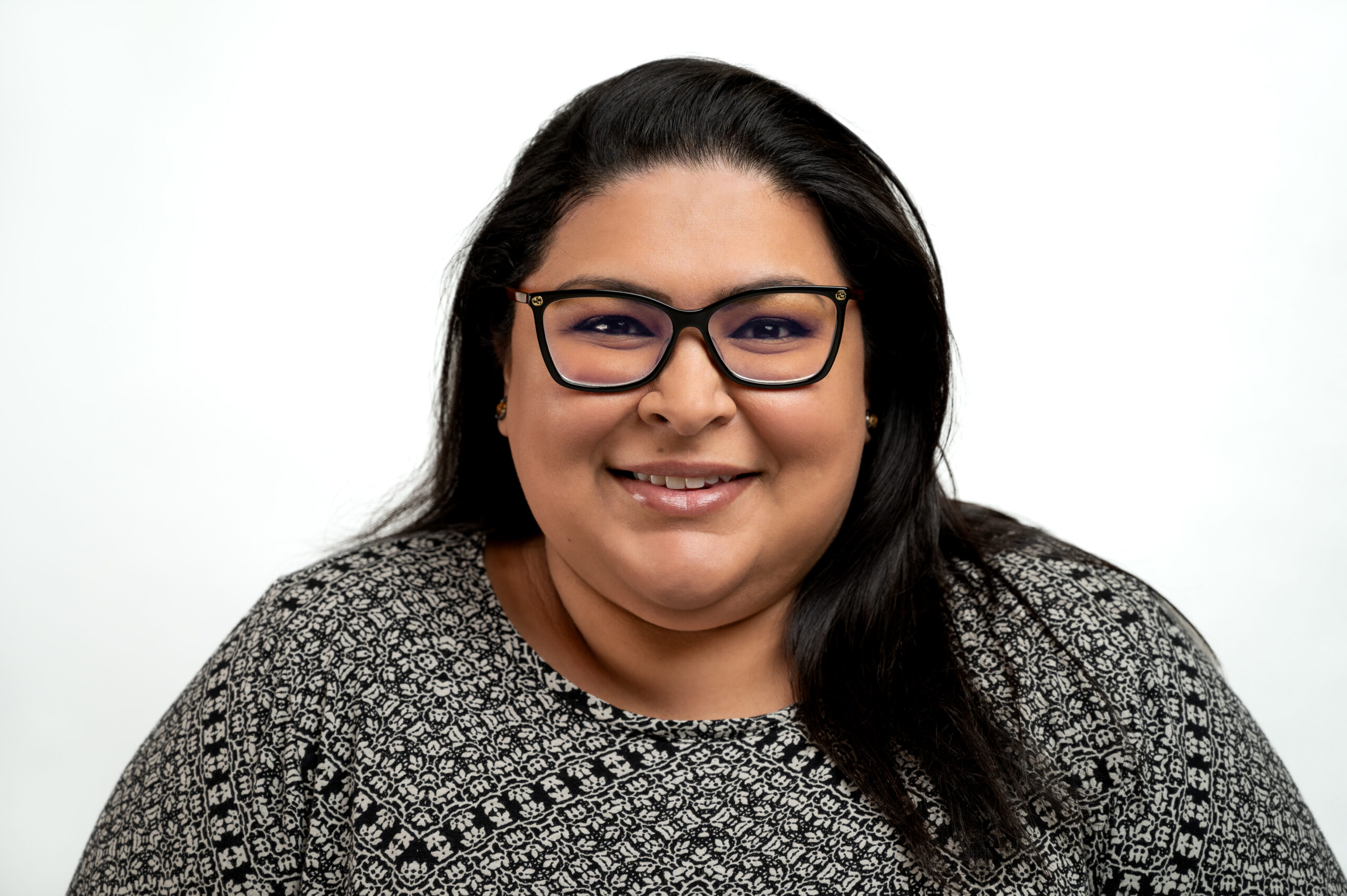
Saima Qadree
Managing Director of Grants and Partnerships
Education:
Bachelor of Science, Biomedical Sciences and Public Health, University of South Florida
Relevant Work Experience:
Saima Qadree serves as the Managing Director of Grants and Partnerships at Frameworks of Tampa Bay, where she leads the organization’s grants strategy and secures critical funding that expands access to emotional intelligence (EQ) programming for all children, educators, families, and youth-serving professionals across the Tampa Bay region. She is especially passionate about helping support schools and community partnerships that may not otherwise have the internal capacity or resources to pursue these opportunities on their own.
Since joining Frameworks in 2016, Saima has contributed to a wide range of initiatives connected to youth development, educator support, mentoring, family engagement, and community-based EQ programming. She particularly enjoys translating meaningful, relationship-centered work into compelling narratives that connect mission, impact, research, and lived human experience.
Before joining Frameworks, Saima spent over 13 years with the Tampa YMCA in several community-focused roles centered around youth development, wellness, volunteerism, literacy, and family engagement. While her academic background began in the sciences and public health, she has found that her work at Frameworks brings many of those same principles to life through prevention-focused work rooted in relationships, emotional intelligence, community well-being, and helping people build the skills needed to thrive.
Why You Work at Frameworks:
What continues to resonate with me about Frameworks is the understanding that children are shaped not only by what they learn academically, but also by the environments and relationships surrounding them every day.
The way adults communicate, respond to stress, navigate conflict, model empathy, create belonging, and build relationships all leave lasting impressions on young people. Emotional intelligence influences far more than behavior or academic success; it shapes how people see themselves, connect with others, and move through the world.
I think that is why this work feels so meaningful to me. Frameworks is not simply focused on children in isolation. We are investing in the ecosystems surrounding them, the educators, caregivers, mentors, and communities that help shape who they become.
I have also seen the value of this work personally. Over the course of my time at Frameworks, I have tried my best to strengthen and develop emotional intelligence skills that have helped me become more self-aware, confident, resilient, and intentional in both my personal and professional life. That firsthand experience has only deepened my belief in the importance of this work and the impact it can have across all stages of life.
I also appreciate that my role allows me to contribute to this mission in a way that balances strategy and humanity. Some days I am immersed in research, writing, reporting, and data. Other days I am hearing educators reflect on classroom experiences, reading workshop participant reflections, learning from the experiences our team encounters in the field, or helping tell stories that connect emotional intelligence to real-world outcomes and everyday life.
Over time, I have come to see emotional intelligence as the skill behind every skill. It influences how we communicate, lead, learn, cope, collaborate, problem-solve, build relationships, and show up for others. I do not see emotional intelligence as a “nice-to-have” skill set; I believe it is foundational to how we succeed personally, professionally, academically, and relationally.
As a nonprofit professional, daughter, wife, and mother, that perspective has become increasingly meaningful to me. The longer I do this work, the more I believe that helping children become kind, collaborative, and capable starts with the adults and environments surrounding them every day.